PPP 2025 // Screening "50 Years Later" w/ Roland Neveu, Philip Blenkinsop, Yukari Chikura, Sylvie Léget
|
|
|
|
- |
|
|
Institut français du Cambodge |
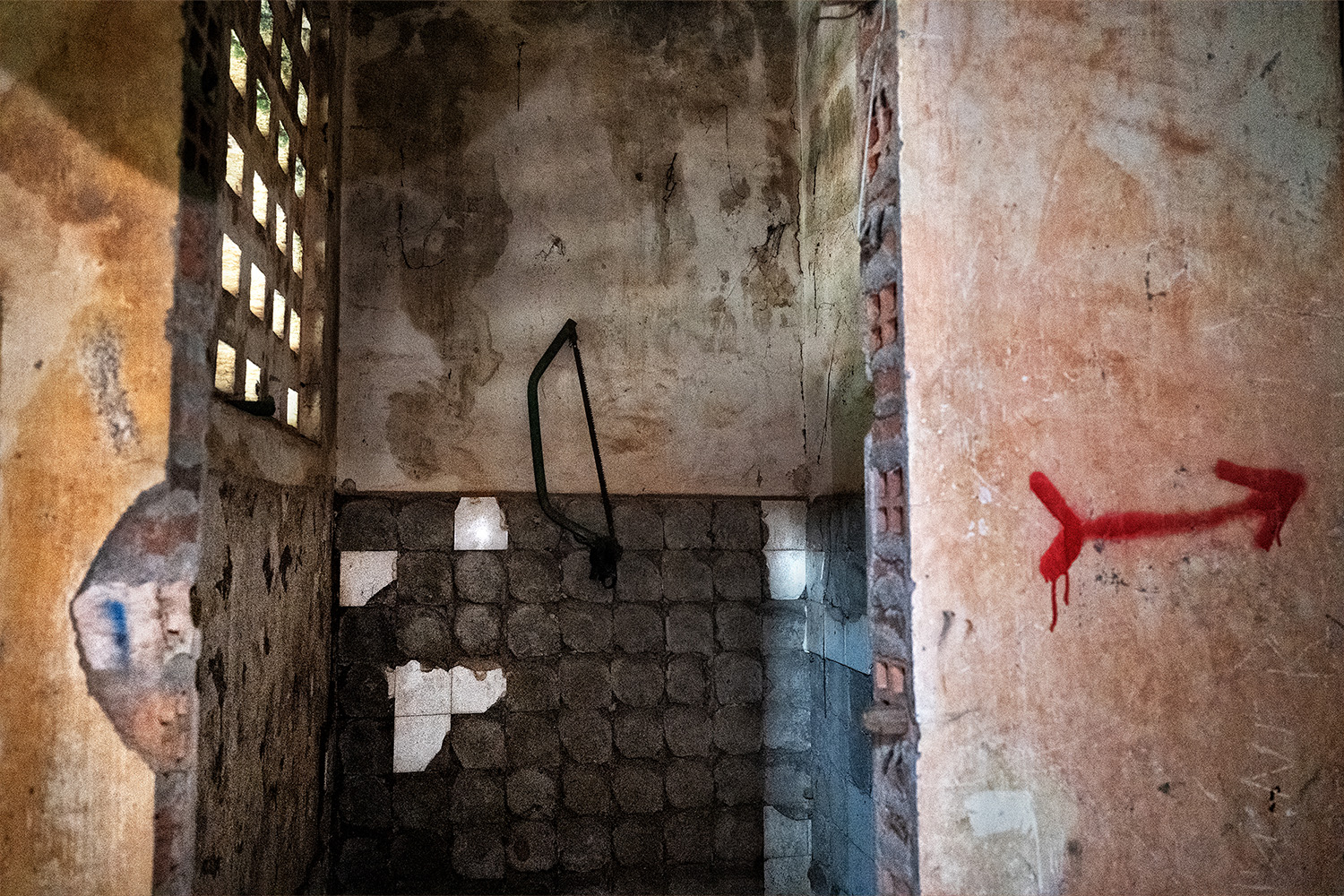
Jeudi 20 novembre à 18h30 // Thursday, November 20 at 6:30pm
Entrée libre // Free entry
FR | Soirée de projection "50 ans après"
50 ans après la prise de Phnom Penh par les Khmers rouges, cette soirée rend hommage à quatre photographes dont les regards, à différentes
époques, témoignent de l’histoire du Cambodge. Des images historiques de Roland Neveu à l’exploration sensible de Philip Blenkinsop, Yukari
Chikura et Sylvie Léget, ces œuvres mêlent mémoire, douleur, reconstruction et engagement artistique profond.
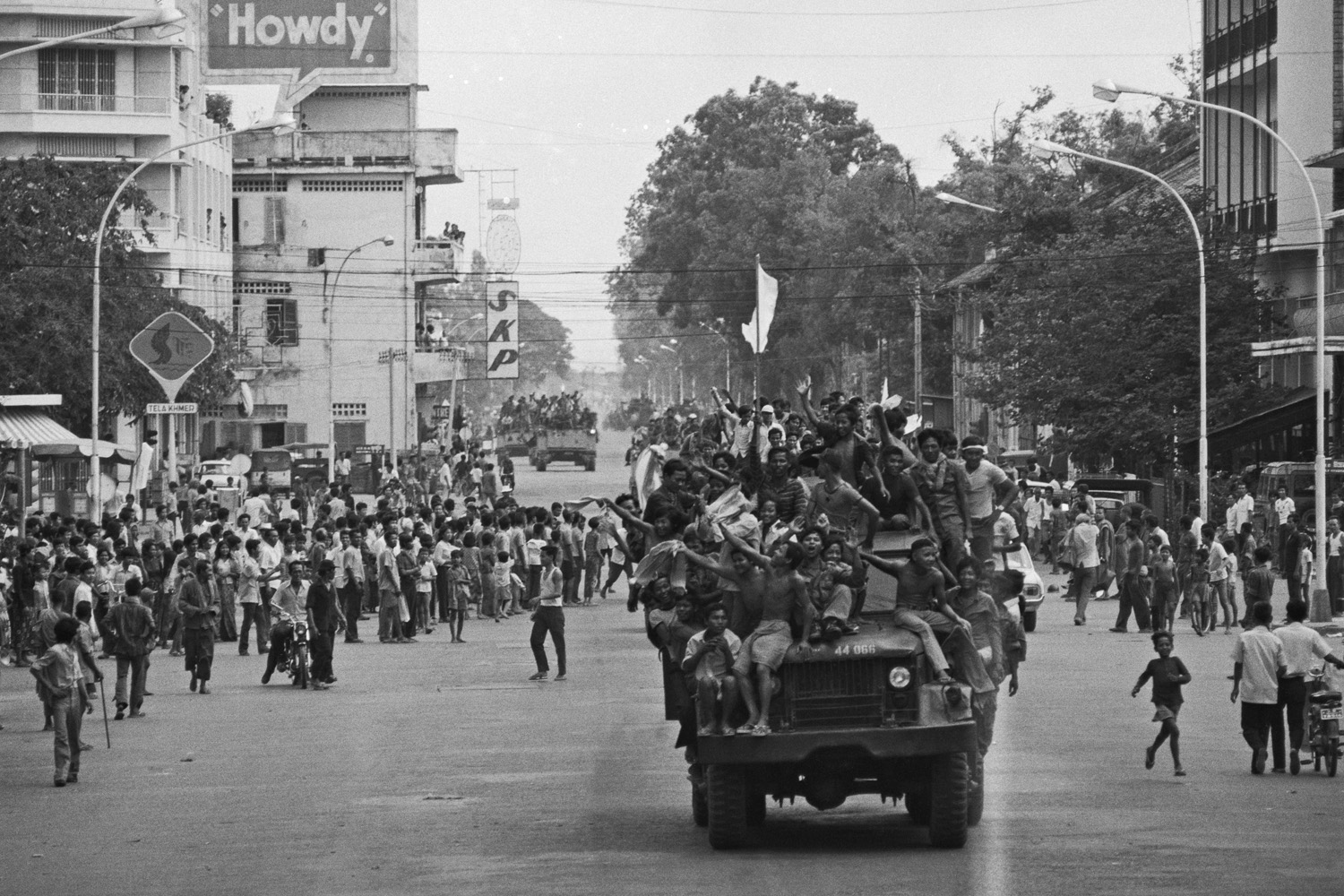
Avec, tout d’abord, les images de Roland Neveu. Ce photojournaliste français, qui était déjà venu en 1973 documenter le conflit en accompagnant les troupes gouvernementales, est le seul photographe occidental à couvrir la prise de la capitale. Ses photos sont publiées dans le monde entier.
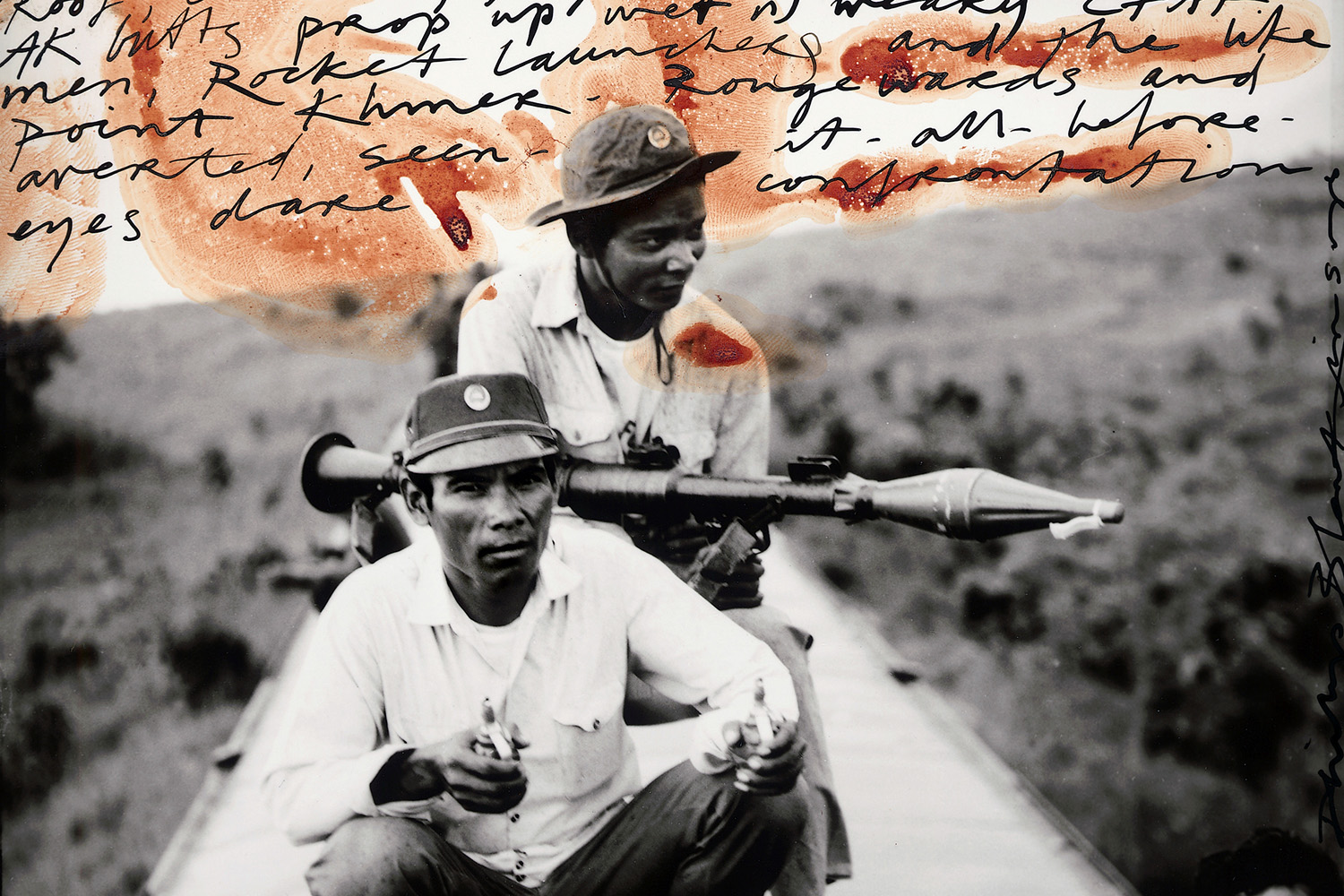
Les photographies que le Britannique Philip Blenkinsop prit dans le pays entre 1989 et 1997 sont comme le journal d’un amoureux de l’Asie du Sud-Est qui sans misérabilisme, mais avec réalisme voyage dans un pays blessé, mais qui est animé par une farouche volonté de se reconstruire. Passant d’images documentaires classiques au cadrage très solide à des portraits au négatif Polaroïd et aux tirages retravaillés avec du sang et de l’écriture, il décline les modalités de son écriture.
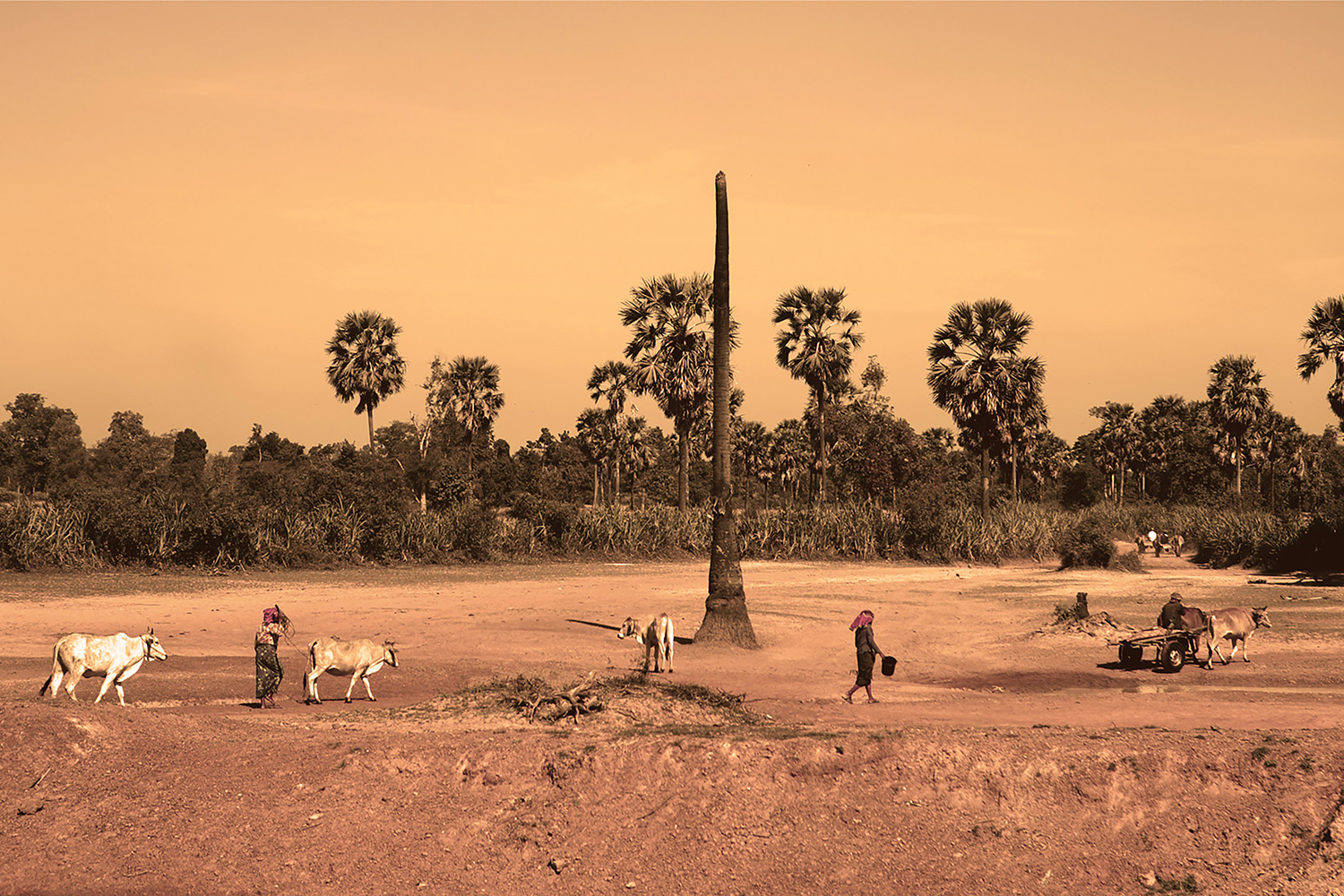
En 2007 la Japonaise Yukari Chikura vint visiter le Cambodge. Elle ne réalisait alors que des photos souvenirs. Marquée par les traces de la tragédie khmère rouge, elle revint l’année suivante et c’est en menant à bien son projet Living in the Killing Fields qu’elle devint réellement photographe. Elle a depuis publié un livre très important et exposé au niveau international. Ces photos sont montrées au Cambodge pour la première fois.
Venue en 1989 dans le cadre d’interventions humanitaires, la Suissesse Sylvie Léget fut, elle aussi profondément
marquée par les ravages de la guerre, entre autres par les nombreux blessés par les mines antipersonnel. De son questionnement sur la
mémoire et sur les enjeux photographiques autour des tragédies, elle est revenue au Cambodge en 2022 et 2024. Un travail à la fois grave et
poétique. Sophie Léget peint également sur certaines de ses photographies
EN | Screening "50 Years Later"
50 years after the fall of Phnom Penh to the Khmer Rouge, this evening pays tribute to four photographers whose work, across different eras,
bears witness to Cambodia’s history. From Roland Neveu’s historic images to the sensitive explorations of Philip Blenkinsop, Yukari Chikura,
and Sylvie Léget, these works intertwine memory, trauma, resilience, and deep artistic commitment.
The program begins with the images of Roland Neveu. This French photojournalist, who had already come in 1973 to document
the conflict while accompanying government troops, was the only Western photographer to cover the capture of the capital. His images were
published around the world.
The photographs taken by British photographer Philip Blenkinsop in the country between 1989 and 1997 are like the diary of a lover of Southeast Asia who, without pathos but with realism, travels through a wounded country that is nevertheless driven by a fierce desire to rebuild itself. Moving from classic documentary images with very solid framing to portraits in Polaroid negative and prints reworked with blood and writing, he explores the different modes of his visual language.
In 2007, the Japanese photographer Yukari Chikura visited Cambodia, taking only souvenir photos at the time. Deeply moved by the traces of the Khmer Rouge tragedy, she returned the following year, and it was through her project Living in the Killing Fields that she truly became a photographer. She has since published a very important book and exhibited internationally. These photos are being shown in Cambodia for the first time.
Swiss photographer Sylvie Léget, who came to Cambodia in 1989 as part of humanitarian efforts, was also deeply affected by the ravages of war, particularly the many victims of anti-personnel mines. her reflections on memory and the photographic challenges surrounding tragedies led her to return to Cambodia in 2022 and 2024. Her work is both serious and poetic. Sophie Léget also paints on some of her photographs.